


A business card is tiny. Pocket-sized. Easy to underestimate. And yet bad business cards quietly cost New Zealand businesses real money every single day. Not in dramatic, headline-grabbing ways. In subtle ones. A pause before replying. A card left behind on the café table. A follow-up that never happens.
Here’s the uncomfortable bit: nobody tells you your card was the problem. They just move on.
In a world where brands fight for attention like rabbits scrambling for the last carrot, a business card still plays a surprisingly powerful role. It’s often the only physical thing someone takes away from a conversation. It’s the handshake that lingers. When it’s done badly, it undermines trust faster than a typo in a pitch deck.
We’ll break down exactly how that happens, why it matters in 2026, and what actually separates cards people keep from cards people bin. And if you’re wondering who we are: we’re White Rabbit, a full-service graphic design agency that helps brands pull everything together under one tidy burrow. Branding, print, digital, illustration, the lot. If your business cards are quietly sabotaging you, we’re the ones who help fix that. Ready? Let’s hop in.
What makes bad business cards so damaging to first impressions
First impressions are ruthless. They don’t wait for context. They don’t care about your intentions. They happen instantly, and they stick.
A business card is often judged before it’s read. The brain scans layout, spacing, colour, and balance in a split second. When those signals feel off, the card creates friction. Not enough to spark outrage, just enough to dull interest. That’s how bad business cards do their damage.
How people judge business cards in seconds
People don’t analyse cards like designers do. They feel them. The eye looks for order. The hand notices weight. The brain asks one quiet question: “Does this feel legit?” If the answer isn’t an easy yes, doubt creeps in. That doubt has nothing to do with your actual capability and everything to do with perception.
Why bad business cards create instant distrust
Design communicates values. Sloppy alignment suggests carelessness. Hard-to-read text signals poor judgement. A mismatched logo hints at inconsistency. Flimsy cardstock feels forgettable, like the brand itself wasn’t worth the investment. None of this is conscious. It’s instinctive. The same way you’d side-eye a café serving flat whites in chipped mugs.
The hidden cost of looking unprofessional
The real cost isn’t embarrassment. It’s opportunity loss. Fewer callbacks. Fewer referrals. Fewer people bothering to Google you later. A card that fails to inspire confidence quietly reduces your odds long after the meeting ends.
Good and bad business cards explained: what people love and loathe
People are surprisingly consistent in what they respond to. They like clarity. They like confidence. They like things that feel intentional. When those elements are missing, the reaction is swift and unceremonious.
What customers expect from good business card designs
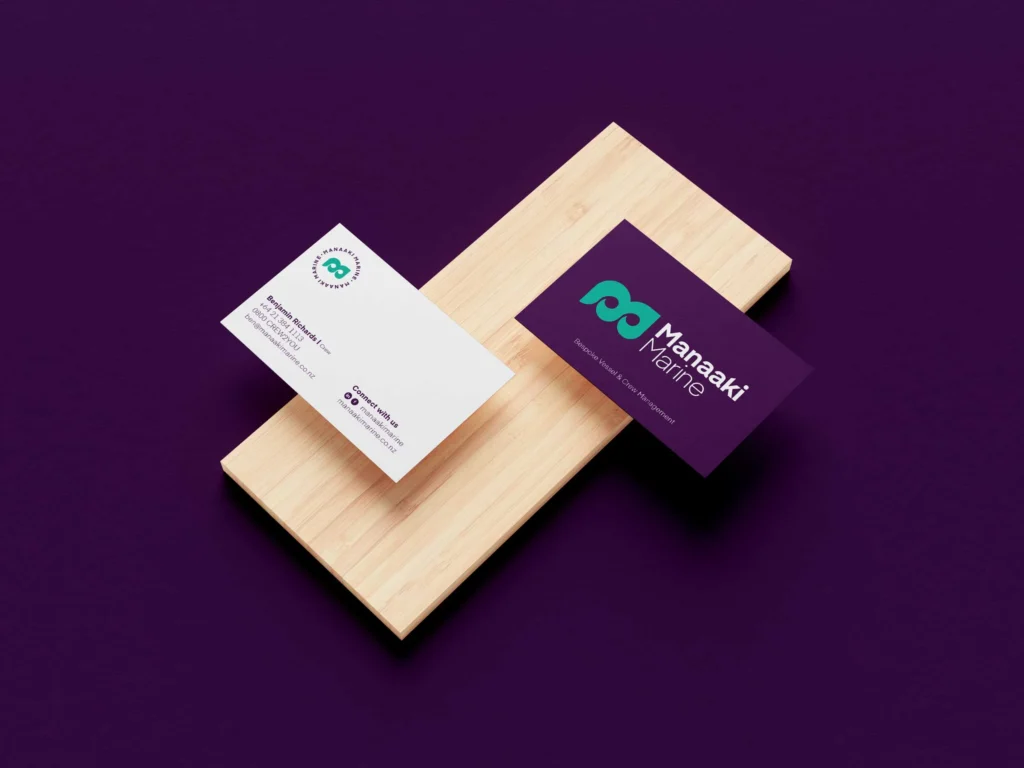
Good cards feel calm. Information is easy to find. Typography is legible. Branding is cohesive. Print quality is decent. There’s a sense that someone knew exactly what they were doing and stopped before doing too much. No fireworks. No gimmicks. Just competence, neatly packaged.
Common reactions to a bad business card
Confusion is the big one. Too much information competing for attention. Fonts that fight each other. Colours that vibrate like a sugar-high rabbit. The result? A mental shrug. People don’t think “this is awful”. They think “meh”.
Why mediocre design is just as risky as poor design
Here’s the kicker: boring cards disappear just as fast as ugly ones. When everything looks the same, nothing is memorable. Playing it safe often means being forgotten, and forgotten businesses don’t get called back.
Bad business card design mistakes that lose you customers
Most design mistakes don’t come from bad taste. They come from fear. Fear of leaving something out. Fear of standing out. Fear of committing to a clear visual direction. That fear shows up in predictable ways.
Cluttered layouts and poor visual hierarchy
If everything is important, nothing is. Cards packed edge-to-edge with information force the reader to work too hard. White space isn’t empty. It’s breathing room. Without it, your message suffocates.
Illegible typography and low contrast
Fancy fonts look great on Pinterest. Less great at arm’s length in a dimly lit bar. Legibility is a usability issue, not a stylistic preference. If someone can’t read your name or role instantly, the card has already failed.
Too much information and no clear focus
A business card is not a résumé. Or a brochure. Or a LinkedIn profile. Trying to cram everything on there “just in case” usually ensures nothing lands properly.
Why bad business cards still cost businesses leads in 2026
Despite the rise of QR codes and digital wallets, physical cards aren’t extinct. They’ve simply changed jobs. Now they act as memory triggers. Physical proof points. A reminder that you exist when the inbox fills up.
Outdated styles that make businesses look behind the times
Visual language evolves. Cards that look frozen in 2012 signal stagnation, even if your business is thriving. Modern business card design doesn’t chase trends. It aligns with how your brand shows up everywhere else, from your website to your socials.
The “keep or toss” test
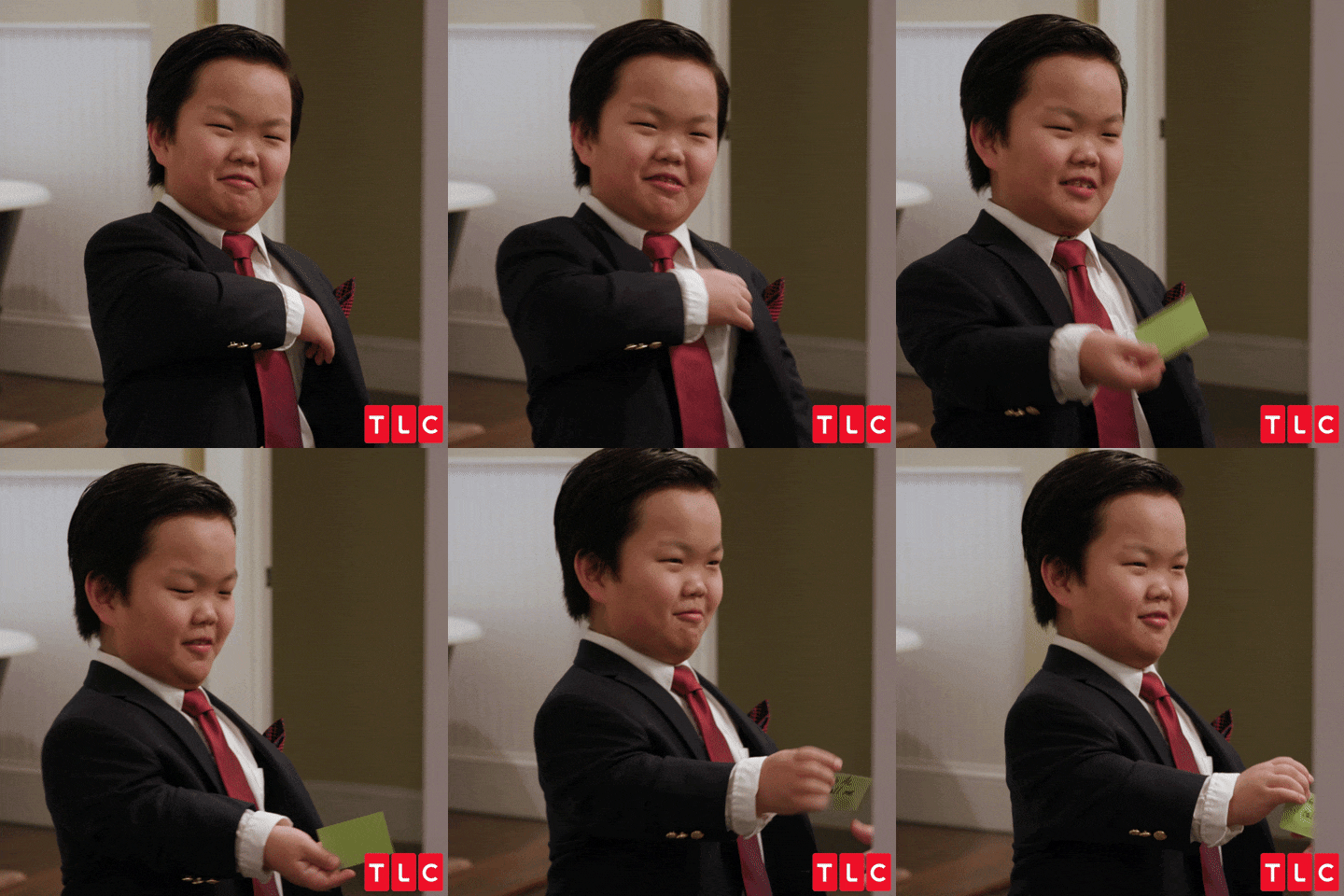
Most cards face judgement within seconds. Keep, or toss. Weight, texture, and clarity all influence that decision. Thin stock and muddy printing feel disposable. Quality feels intentional.
Forgettable cards and missed follow-ups
Memory matters. Distinct cards give people something to latch onto later. “Oh right, the clean black one with the illustration.” Generic cards vanish into drawers and gloveboxes, never to be seen again.
Good business cards and the psychology of perceived value
Humans use shortcuts to judge value. We do it with packaging, interiors, clothing, and yes, business cards. Design doesn’t just represent your brand. It reframes it.
How materials, weight, and finish affect trust
Texture communicates care. Heavier stock feels considered. A subtle finish signals investment. None of this is about luxury for luxury’s sake. It’s about matching the physical experience to the value you promise.
Why cheap cards signal cheap service
A $20 card can quietly undermine a $5,000 proposal. People assume effort is consistent across everything you do. If the card feels rushed, they wonder what else might be.
Consistency between your card and your brand
A sleek website paired with a clunky card creates dissonance. Consistency builds confidence. That’s why working with one team across branding, print, and digital matters. When everything’s designed together, nothing feels stitched on after the fact. This is where a full-service studio like White Rabbit earns its keep, keeping all the pieces hopping in the same direction.
How good business card designs actually win customers
The best cards don’t shout. They don’t try to be clever. They quietly reinforce trust and make it easy for people to take the next step.
Clarity, restraint, and strategic simplicity
Good cards prioritise what matters most. Name. Role. How to get in touch. Everything else is secondary. Restraint shows confidence. It says you know what you’re doing and don’t need carrot-scented candles to distract from it.
Designing cards as part of a brand system
Cards shouldn’t exist in isolation. They should feel like a natural extension of your brand, sitting comfortably alongside your website, brochures, and packaging. When design lives in silos, cracks appear. When it’s unified, everything feels intentional. That’s why our work often spans everything from website design and logo design to brochure design, booklets, and even email signature design.
Why working with a full service design agency matters
One point of contact. Senior designers who understand different industries and styles. Clear project management. When fewer suppliers are involved, fewer things go wrong. It’s simpler, faster, and far less likely to result in a Franken-brand stitched together from five different places.

Create business cards that work harder with White Rabbit
Bad business cards don’t fail loudly. They fail quietly, one missed opportunity at a time. At White Rabbit, we design cards as part of a bigger brand picture, so every touchpoint pulls its weight.
If your cards feel tired, inconsistent, or forgettable, it might be time for a refresh. Take a look at our work or contact us and let’s make something worth keeping.