


Scroll through ten business websites in a row and a strange thing happens. The logos start to blur together. A swoosh here. A generic mountain there. Another building company logo with a house. A font that looks suspiciously like it escaped from Canva after a long night out. The truth is simple: most logos aren’t terrible. They’re just forgettable.
That’s a problem. In competitive markets, a logo is often the first visual signal customers receive about a business. Done well, it builds recognition, credibility, and trust in seconds. Done poorly, it quietly nudges potential customers toward a competitor.
That’s why business logo design in NZ has become such an important part of building a strong brand. Businesses across Aotearoa are realising that a logo isn’t just decoration. It’s the cornerstone of their visual identity.
At White Rabbit we help businesses create branding that actually works in the real world — from logos and websites to packaging and illustration. Our team of designers handle the whole burrow of design needs in one place, so companies don’t have to chase multiple suppliers like a caffeinated rabbit chasing carrots. If you’re looking to build a brand that stands out, you’re in the right place.

What is business logo design in NZ and what it represents
At its core, business logo design in NZ is the process of creating a visual symbol that represents a company’s identity, values, and personality, ready to tackle Aotearoa by storm.
A logo is not meant to explain everything about a business. It functions as a visual shortcut. A symbol customers recognise. A shape that triggers memory. A mark that signals professionalism.
Strong logos appear everywhere:
websites, signage, packaging, marketing materials, and social media. They anchor a brand visually so customers immediately know who they’re dealing with.
Think of it this way. The logo is the flag your brand plants in people’s minds. Everything else — your messaging, marketing, and customer experience — gathers around it.
Why logos act as visual memory triggers for customers
Human brains process visuals much faster than text. This is why logos are so effective.
When someone repeatedly sees a consistent visual mark, their brain forms an association between that symbol and the experience they’ve had with the brand. Over time the logo becomes a shortcut for recognition.
Global brands like Apple or Nike rely heavily on this effect. You see the logo and instantly recognise the company.
The same principle applies to local businesses across New Zealand. A memorable logo helps customers recognise your brand quickly among competitors.
How logos support brand recognition, credibility, and marketing
Logos play a crucial role in marketing consistency. They appear on:
- Websites
- Packaging
- Signage
- Social media
- Printed marketing materials
When the same logo appears consistently across these touchpoints, it reinforces brand recognition.
Professional logos also signal credibility. A poorly designed logo can make a business look inexperienced or unreliable. Strong design immediately communicates that a company takes its brand seriously.
Why business logo design in NZ matters for companies competing in the local market
New Zealand markets are competitive. From hospitality and tourism to trades and professional services, businesses constantly compete for attention.
Brand perception plays a major role in which companies customers trust. A polished visual identity can make a small business appear established and credible even when competing with larger organisations.
Good design helps level the playing field.
Creating strong first impressions and building trust
Customers often encounter a brand online first. That moment matters.
A cluttered or outdated logo can make a business look unprofessional. People may not consciously analyse why something feels off. They simply feel uncertain and move on.
Strong design does the opposite. It signals quality immediately.
Differentiating your brand from competitors in New Zealand
Many industries suffer from visual sameness. Plumbing companies with identical blue droplet logos. Real estate firms using the same house icon. Hospitality brands with vaguely rustic typography.
Distinctive logos break that pattern.
A well-crafted logo communicates personality and helps customers recognise a brand instantly among competitors.
Identify your target audience before designing a logo
Great logos begin with understanding the audience.
A brand targeting corporate clients will require a different visual tone than one aimed at young creatives or hospitality customers. Without a clear understanding of who the brand serves, the design becomes guesswork.
Understanding customer expectations and brand personality
Every brand has a personality. Some feel bold and energetic. Others appear refined and professional.
The logo should reflect that tone visually through typography, colour choices, and shape.
Customers respond quickly to these cues, even if they can’t articulate why.
Designing a logo that fits your industry and market
Each industry has visual patterns customers expect.
Technology brands often favour minimal design. Luxury brands lean toward elegant typography. Hospitality brands may use warmer colours and expressive styles.
Understanding these expectations helps designers create logos that feel both appropriate and distinctive.
The core principles that make business logo design in NZ successful
Professional designers rely on several key principles when creating logos. These ensure the design works across multiple contexts and remains effective over time.
Simplicity and memorability
Simple logos are easier to recognise and remember.
Complex logos filled with tiny details might look impressive at large sizes but quickly become unreadable on websites or mobile screens.
Memorable logos often rely on strong shapes or distinctive typography.
Versatility and scalability across platforms
A logo must work everywhere.
From a small website favicon to a billboard on the motorway. From embroidered uniforms to business card logo design. Designers test logos at multiple sizes to ensure they remain clear and legible.
Strong logos function equally well in colour, black and white, and simplified formats.
Relevance and timelessness
Trends come and go. Good logos outlive them.
Designers focus on creating logos that reflect the brand’s identity rather than chasing short-lived visual trends.
Timeless logos remain recognisable for years, sometimes decades.
Research your competitors and industry trends
Effective branding rarely happens in isolation.
Before developing concepts, designers study competitor branding and visual trends within the industry.
Analysing competitor logos in your market
Studying competitor logos reveals patterns. Similar colours, icons, and typography often emerge within an industry.
Understanding these patterns helps designers avoid creating something that blends into the crowd.
Finding opportunities to stand out visually
Distinctiveness matters. A slightly different colour palette, typography style, or graphic mark can help a brand stand out immediately.
Businesses often begin by searching for logo design ideas for business, but true differentiation requires deeper strategy.
Common mistakes that cause business logo design in NZ to fail
Many logos fail for predictable reasons.
Understanding these pitfalls helps businesses avoid costly redesigns later.
Overcomplicating the design or following short-term trends
Some logos attempt to communicate every service a business offers. The result becomes cluttered and confusing.
Others rely heavily on design trends that quickly become outdated.
Meanwhile, good logos focus on clarity and longevity.
Trying To Please Too Many Decision Makers
This is one of the most common issues, especially with small New Zealand businesses.
When two, three, or more stakeholders are all contributing ideas, the logo can quickly turn into a compromise instead of a clear concept. You end up with a mishmash of styles, symbols, and a Frankenstein-style logo that lacks focus.
Using generic symbols, too many colours, or weak typography
Generic icons are everywhere. Globes, arrows, houses, and abstract swooshes appear in thousands of logos.
Too many colours can also weaken clarity. A limited palette often creates stronger visual identity.
Typography matters just as much as symbols. The right typeface communicates tone instantly.
Assuming “Limited” Needs To Be In The Logo
A common misconception, particularly in the trades industry, is that “Limited” or “Ltd” must be included in the logo.
In reality, this is a legal designation not a branding requirement. Including it can clutter the design and reduce visual impact without adding real value.
If you’re unsure, this guide breaks it down clearly: Do I need LTD in my company’s logo?
Small business logo design in NZ: how growing brands can compete visually
For small businesses, strong logo and business card design can dramatically influence perception.
A professional logo helps a new company appear established and credible even when competing with larger brands.
Why strategic branding matters for small businesses
Consistent branding improves recognition and trust. Customers feel more confident interacting with businesses that present themselves professionally.
Strong branding also supports marketing efforts across different platforms.
Choosing the right logo style and preparing for growth
Businesses should consider how their brand may evolve over time.
A flexible logo design can scale as the business grows, expands into new markets, or introduces new products.
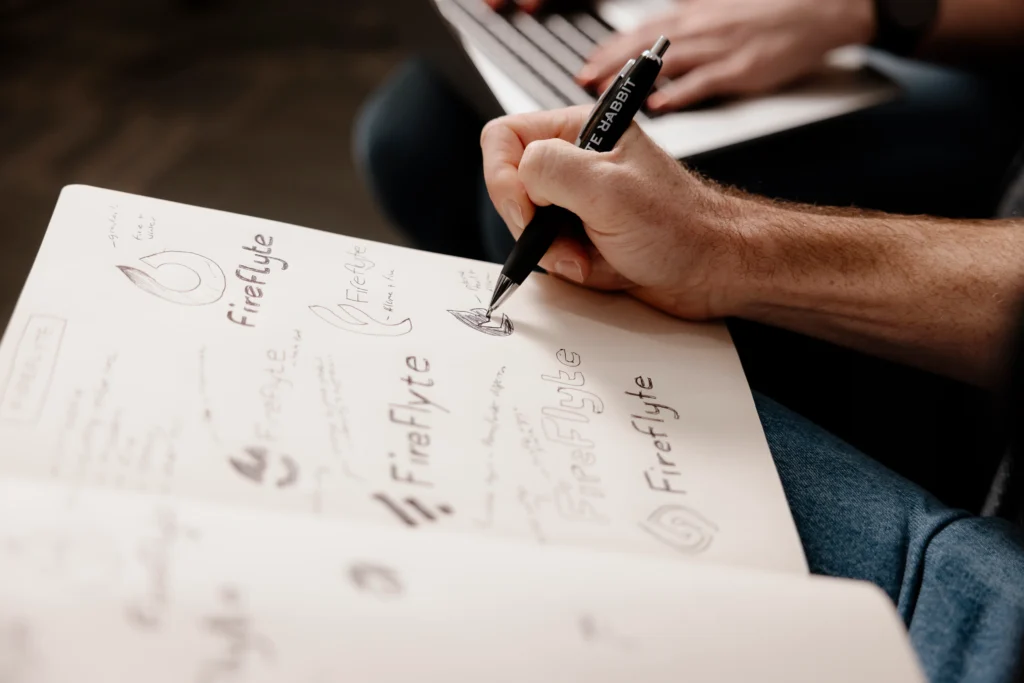
Understanding business logo design cost and what influences pricing
The business logo design cost varies depending on the complexity of the project, the experience of the designers, and the level of strategy involved.
Professional design often represents a long-term investment in brand recognition.
DIY logo tools vs professional logo design
Template-based logo tools can produce quick results, but they often rely on generic icons and limited customisation.
Custom logo design offers originality and strategic thinking tailored to the brand.
What businesses are actually paying for in professional design
Professional design includes research, concept development, design expertise, and real-world testing.
Agencies often provide broader brand support as well, such as website design, packaging design, and illustration services to ensure the entire visual identity works together.
Create a logo that truly works with White Rabbit
Great branding doesn’t happen by accident. It requires strategy, experience, and designers who understand how logos perform in the real world. At White Rabbit, our team helps businesses across New Zealand create logos and brand systems that stand out, scale, and actually work.
If you’re ready to stop blending into the background and start building a memorable brand, explore our work or contact us to start your project today.