


Stakeholders are busy. They skim. They judge fast. Sometimes unfairly. That’s exactly why annual report design tips matter more than most people realise. A strong annual report quietly says, “We know what we’re doing.” A weak one says, “We panicked in November and hoped no one would notice.”
Great reports don’t shout. They guide. They make complex information feel approachable, not intimidating. The best annual report design tips focus on clarity, structure, and trust — not visual fireworks or dense walls of text that feel like a punishment. These reports should inspire confidence, and encourage investment from stakeholders, partners and sponsors.
We’re White Rabbit, a full-service design agency based in New Zealand. We design annual reports, logo designs, illustrations, and more — all under one roof.
One team. One plan. Fewer emails. Fewer headaches. If you’re tired of wrangling multiple suppliers like an overcaffeinated rabbit herder, you’re in the right burrow. If you want to get started, hop over to White Rabbit and see all that we offer.

Why annual report design tips matter more than ever for stakeholders
Let’s be honest. Most stakeholders are not curling up on the couch with your annual report and a cup of tea. They’re opening it between meetings, on a laptop, possibly while half-listening to someone else talk.
That reality changes everything.
Strong annual report design tips reduce friction. They help readers orient themselves instantly. They surface key information early. They don’t make people work for understanding. When design is calm and structured, stakeholders feel calm and confident too. When it’s messy, confusing, or cluttered, suspicion creeps in. No one wants that.
Design doesn’t just make things look good. It quietly signals competence. Think of it like a well-organised kitchen. You don’t comment on it when it works — but you absolutely notice when you can’t find the knives.
Understanding your audience before applying annual report design tips
Before jumping into layouts and charts, stop and ask a simple question: who’s actually reading this thing?
Most annual reports serve multiple audiences, all with different priorities. Designing without acknowledging that is like building one burrow entrance and hoping every rabbit fits.
Designing for investors and shareholders
Investors want clarity, fast. Trends, performance, risks, and what’s coming next. The best annual report design tips for this group focus on summaries, clean charts, and consistency year over year so movement is obvious at a glance.
Designing for boards and executive teams
Boards look for alignment. Does the story match the numbers? Does strategy connect to outcomes? Strong annual report design supports decision-making by structuring information the way leaders actually think.
Designing for internal teams and partners
Employees and partners use annual reports as reference points. Clear storytelling helps them understand direction and talk about the organisation confidently — without sounding like they’re reciting a script.
Annual report design tips that start with clear structure and visual hierarchy
Hierarchy is where good reports are made or broken. Without it, even great content becomes exhausting.
Strong annual report design tips make it immediately obvious what matters most. They guide the eye, control emphasis, and prevent information overload. Think less “data avalanche,” more “clear trail through the forest.”
Section flow and logical information order
Reports should move from context to detail in a deliberate sequence. Strategy before numbers. Overview before deep dives. When content jumps around, readers lose trust fast — and once that trust hops away, it’s hard to get back.
Clear headings, navigation, and wayfinding
Headings are functional tools, not decorations. They help skimmers find what they need and help deeper readers stay oriented. This matters even more in digital reports, where people bounce around instead of reading front to back.
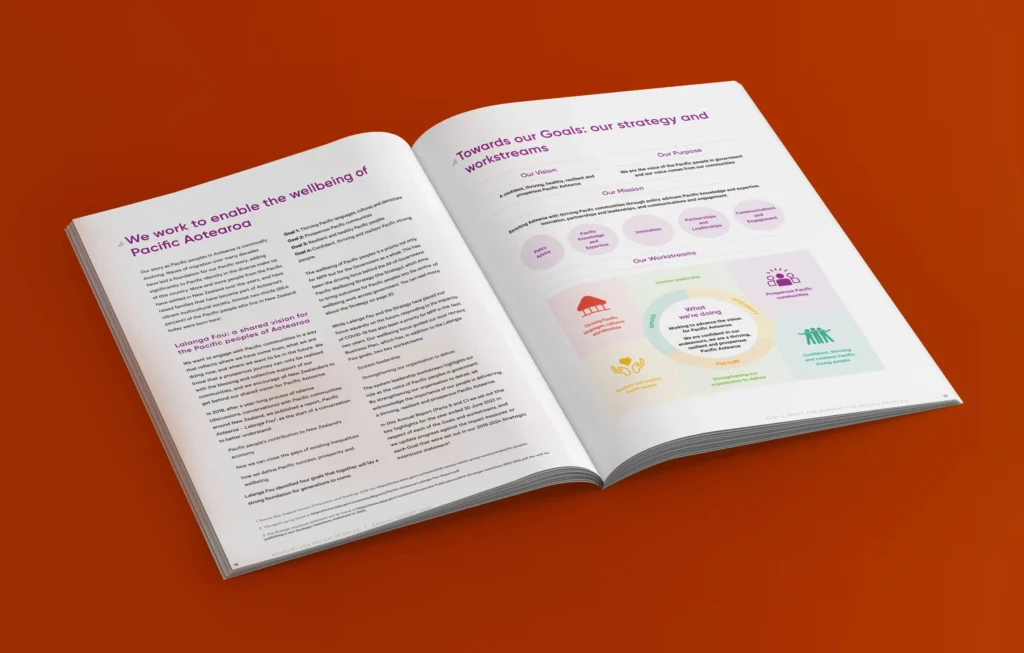
Tips for designing an annual report that tells a clear and confident story
Numbers alone don’t persuade. Story gives them meaning.
The strongest tip for designing an annual report is to treat it as a narrative, not a filing cabinet. Stakeholders should finish reading with a clear sense of progress, challenges, and direction — not a vague feeling that they survived something.
Creating a narrative arc across the report
Every section should support the bigger picture. Disconnected content feels defensive. A clear narrative arc feels intentional, confident, and well-led.
Aligning performance with strategy and vision
When results clearly tie back to stated goals, stakeholders trust leadership more. Design reinforces this alignment by visually and structurally linking strategy to outcomes.
Annual report design tips for financial data, charts, and transparency
This is where credibility is tested hardest. No gimmicks. No visual tricks. No funny business.
Presenting financial information clearly and accurately
In annual report financial design plans, clarity always beats cleverness. Tables should be easy to scan. Labels should be obvious. Consistency matters more than flair. Financial data visualisations should be clear and easy to understand for readers.
Designing charts that highlight trends and KPIs
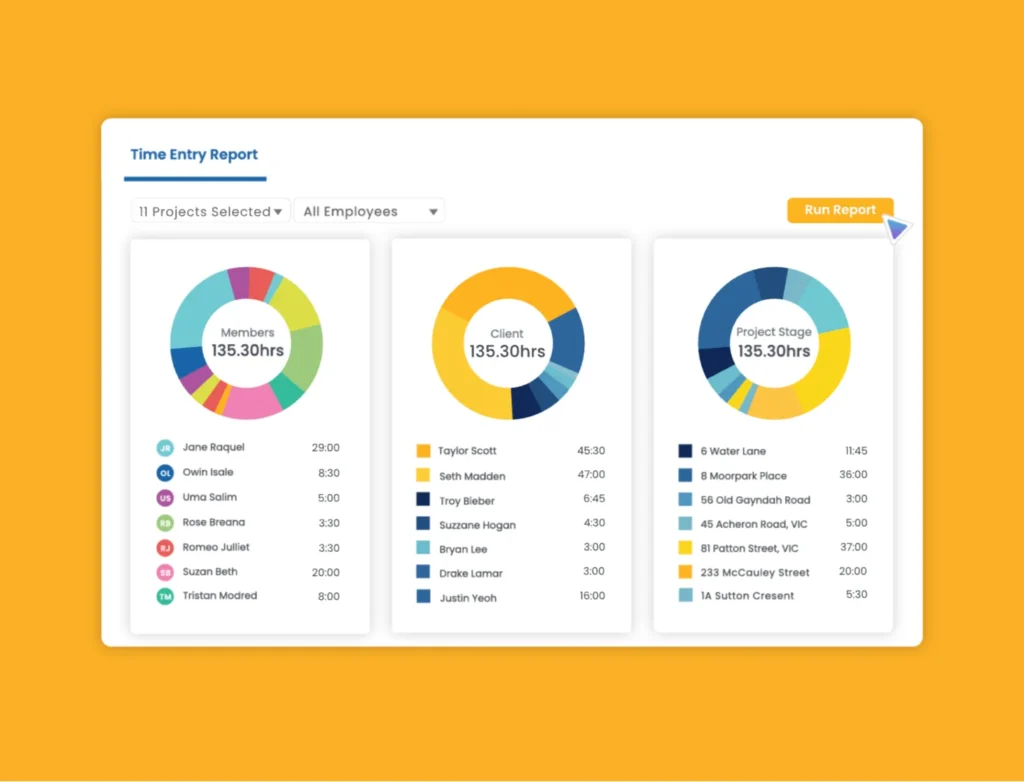
Charts exist to reveal insight, not decorate pages. If a chart needs a paragraph to explain it, redesign it. Stakeholders should understand performance faster than you can say “year-on-year growth.”
Annual report design templates versus custom design solutions
Templates are tempting. They promise speed and simplicity. Sometimes they even deliver it. But they also come with limits.
Limitations of off-the-shelf annual report design templates
Templates restrict hierarchy, brand expression, and flexibility. They can make strong organisations look generic, which subtly lowers perceived credibility.
When custom design creates greater stakeholder confidence
Custom annual report design signals care and intent. It allows structure, visuals, and tone to reflect the organisation itself rather than a pre-built mould.
Annual report design inspiration that strengthens brand identity
Inspiration should support clarity, not distract from it. This isn’t the place for trend-chasing or experimental chaos.
Using typography to establish hierarchy and tone
Typography controls rhythm and readability. Clean, disciplined type choices build confidence. Overly decorative fonts belong on gig posters, not financial summaries.
Purposeful use of photography, illustration, and graphics
Visuals should add meaning. Strategic illustration — like the kind we create through illustration — can explain complex ideas faster than paragraphs of text, without turning the report into a picture book.
Digital-first annual report design tips for modern stakeholders
Most reports are viewed on screens first. Print is no longer the default.
Designing annual reports for screen and PDF viewing
Layouts must account for scrolling, zooming, and screen fatigue. Digital-first design keeps readers engaged instead of frustrated.
Extending annual reports across websites and digital channels
Annual reports can live beyond PDFs. They can be repurposed across websites, brochures, and booklets. A full-service agency managing website design and booklets keeps everything consistent without duplication.
Common annual report design mistakes that undermine credibility
Some mistakes whisper. Others shout. All of them chip away at trust.
Overcrowded layouts and dense copy
More content does not equal more value. White space improves comprehension and signals confidence. Calm pages feel controlled.
Prioritising aesthetics over clarity and accuracy
Design should serve understanding first. Pretty but confusing reports do lasting damage.
Working with an annual report design agency versus multiple suppliers
More suppliers usually means more friction. More emails. More crossed wires. More stress.
One point of contact and streamlined communication
A single agency simplifies collaboration and decision-making. It’s calmer. Faster. Less likely to end in a late-night panic.
Integrated branding, design, and digital expertise
When branding, layout, and digital execution live together, consistency becomes effortless. That’s where a full-service annual report design agency really earns its keep.
Why a full-service annual report design agency delivers better results
Better results come from clarity, experience, and ownership.
Access to senior designers across multiple disciplines
Senior designers anticipate problems before they appear. They’ve been around the burrow a few times.
End-to-end accountability from concept to delivery
One team owning the full journey leads to calmer projects and stronger outcomes. You can see how this approach works in practice in our work.

Ready to impress stakeholders with expert annual report design?
Annual reports shape trust long after they’re published. If yours feels heavy, confusing, or forgettable, it might be time for a rethink. White Rabbit helps companies turn complex reporting into clear, confident communication.
Hop over to contact us and let’s make your next annual report something stakeholders actually enjoy reading — carrot-scented candles optional.