


How many times have you jumped onto Google to find a “cheap logo designer” or a “freelancer who can do everything”?
We get it. Starting or scaling a business in New Zealand isn’t cheap, and cutting corners on design can feel like a smart move. After all, budget freelancers and slick AI tools promise “professional results” for the price of a flat white and a cheese scone.
But here’s the thing no one tells you: cheap design isn’t really cheap. It just sends the invoice later. You end up paying for inconsistent branding, endless fixes, legal grey areas, and lost credibility. That $200 logo can turn into a $2,000 rebrand faster than you can say “who owns the rights to this font?”
At White Rabbit, we see this story play out every week. As a full-service New Zealand design agency, we do branding, websites, print, packaging and illustration – all under one burrow. One point of contact, and a signature process that keeps your project bouncing along smoothly.

Why budget freelancers appeal to small businesses in New Zealand
Small businesses are scrappy by nature. Every dollar counts, and design often lands in the “nice-to-have” basket until the brand starts to look a little, well, hare-raising (and not in a good way). That’s when the lure of budget freelancers appears – they promise quick turnarounds, low prices, and zero fuss.
Platforms like Fiverr, Upwork and AI-driven design generators make it look effortless. Type a few words, pick a style, and poof – instant logo. The issue? These platforms sell convenience, not strategy. There’s no research, no audience insight, and no understanding of what makes markets tick. It’s like buying a “one-size-fits-all” jumper online: technically wearable, but never quite right.
The promise of “affordable” design services
Affordable design sounds great – who doesn’t love a deal? But price and value are not the same carrot. Low-cost designers often skip foundational steps like mood boards, typography systems, and file preparation. You might get a logo, sure, but not the brand system that keeps your visuals consistent everywhere else.
A good designer isn’t just decorating; they’re translating your business goals into visuals that convert. That difference – between quick decoration and true design – is where the cost gap really lives.
When “fast and cheap” starts costing more
You save $400 today and spend triple that later fixing problems. Think print files that aren’t CMYK, logos that pixelate on signage, or websites that load slower than dial-up. Every “cheap fix” adds another layer of cost.
We’ve seen it first-hand: a local café owner who ordered a low-cost logo online ended up paying thousands in reprints because the files weren’t vector-based. Moral of the story? Cutting corners in design is like trimming your own fringe – it’ll grow back eventually, but not without a few awkward months.
To learn more, read: Freelancers vs. design agencies – the pros, the cons, & finding the right fit for your NZ business
The true cost behind cheap design
Cheap design isn’t a bargain if it costs your brand trust, credibility, and time. In design, the invisible details – file prep, colour profiling, typography balance – are what separate professional work from pixel soup.
Inconsistent branding and weak first impressions
A disjointed brand confuses customers. One style on your social feed, another on your packaging, and a completely different vibe on your website – it’s visual whiplash. Consistency is how people recognise and trust you.
When you work with an agency like White Rabbit, we build brand systems that cover every touchpoint – from your website’s hero banner to your café menu design. The goal? To make your brand instantly recognisable, even if your logo is hidden. That’s good design vs bad design in action.
How subtle design flaws send the wrong message
Here’s the tricky thing about design: most people won’t be able to explain why something looks cheap — they’ll just feel it. Your audience might not know that your spacing is off, your typography is clashing, or your colours don’t have enough contrast. But subconsciously, they pick up on the imbalance.
Humans are wired to judge visual harmony in milliseconds. When your design feels like a DIY project or mismatched, potential customers interpret it as unprofessional — even if your product or service is excellent. It’s like showing up to a job interview with coffee on your shirt; the details might seem minor, but they change the impression entirely.
That’s why investing in cohesive, professional design matters. A polished visual system doesn’t just look good to designers — it feels right to everyone else.
File quality, legal risks, and cheap web design services
Low-budget projects often come with missing file types, unlicensed fonts, or reused templates. You might think you’re saving money until you get a cease-and-desist for that “borrowed” stock image. And don’t even start on cheap web design services – slow-loading templates can tank your SEO rankings faster than you can say “Page Two of Google.”
At White Rabbit, we hand over layered source files, correct print formats, and full ownership rights. Our website design and logo design services ensure your assets are legal, scalable, and ready for every medium – digital or print.
Time lost fixing mistakes and paying for redesigns
Every time you re-brief a freelancer, chase down missing fonts, or re-export files for print, that’s billable time you’ll never get back. When you tally up lost hours, frustration, and opportunity cost, that “cheap” project quickly becomes your most expensive one.
Working with a professional agency means clearer communication, better planning, and fewer surprises. At White Rabbit, we coordinate the whole process in-house so you can stop herding cats and start building your brand.
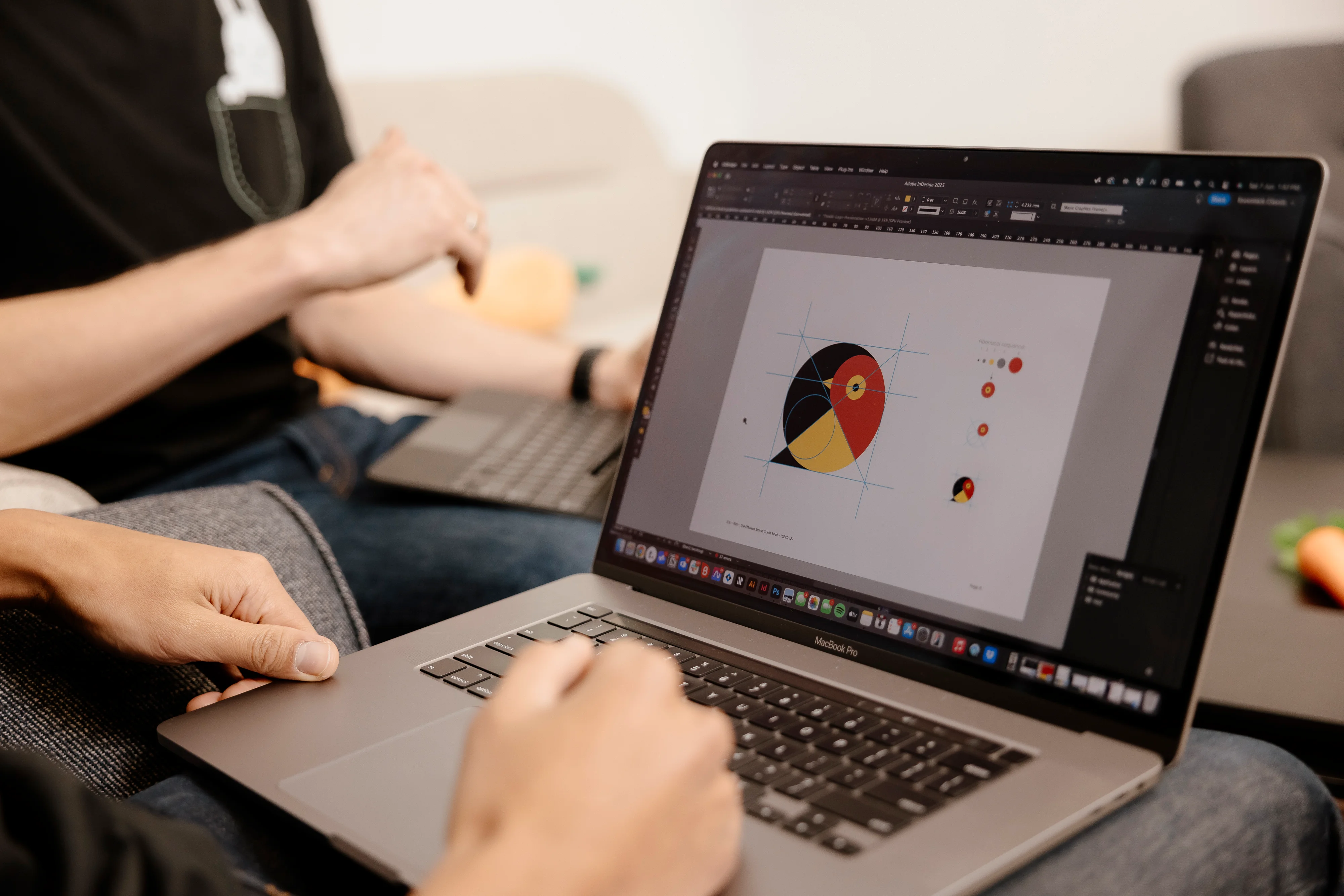
Budget freelancers vs professional design teams in NZ
There are talented freelancers out there, but a single creative can only hop so far. Agencies bring collective expertise – brand strategists, web developers, illustrators, and project managers all working together. That collaboration ensures nothing slips through the cracks.
The difference isn’t about snobbery; it’s about structure. Freelancers often juggle multiple clients and wear all the hats. Agencies have checks, systems, and accountability. It’s like comparing a one-bunny band to a full orchestra. Both make music, but only one can play Beethoven without breaking a sweat.
Expertise, collaboration, and accountability
A full-service NZ agency like ours brings depth. Our illustration team can create custom visuals that align with your web layout. Our brand designers sync with copywriters to ensure messaging and visuals hop in sync. And our project leads keep everything coordinated, so clients always know exactly where things stand.
Budget freelancers may deliver a single strong piece, but without strategic alignment, even great design can fall flat.
How to vet a freelance graphic designer NZ businesses can rely on
If you do choose a freelance graphic designer in NZ, business owners should ask these questions:
- Do they provide vector and print-ready files?
- Can they explain their process and deliver consistent work?
- Are all fonts and stock images licensed for commercial use?
- Do they offer clear timelines and transparent pricing?
If the answers are vague, you might be stepping into burrowed-budget territory.
The AI design temptation: when technology tries to replace talent
Artificial intelligence is the newest shiny toy in the design warren. AI tools can whip up logos, layouts, and colour palettes in seconds. They’re efficient, and they can spark ideas – but creativity isn’t just about speed. It’s about meaning.
Design without strategy is just decoration. AI can generate visual noise, but it doesn’t understand your market, audience psychology, or emotional nuance. It can’t tell your brand’s story because it doesn’t live in your world – it just borrows from other people’s.
Is AI taking over graphic design?
Let’s hop right into it: Is AI taking over graphic design? Not quite. AI is changing how designers work, but it’s not replacing the craft. Think of it as a smart assistant – great at fetching references, but terrible at understanding culture or originality.
It’s not all bad. AI tools can definitely be used for early exploration or to visualise concepts faster. But the final direction should always come from humans – the ones who understand the brand, story, and audience. No algorithm can replace that.
The limits of AI creativity and copyright risks
AI’s output is based on existing data, which means originality can get a little fuzzy. Many tools scrape from public art or existing logos, creating potential copyright grey zones. If your AI-generated logo looks “familiar,” it might actually be someone else’s design with a new wig.
Ownership is another rabbit hole: if AI made it, who owns it? Most platforms say “you do,” but that claim can get murky fast. With a professional agency, your intellectual property is protected by contract. That’s worth more than any free AI generator.
Good design vs bad design: why quality always wins
Design isn’t decoration; it’s communication. It tells your audience who you are before they’ve read a word. Poor design whispers “unprofessional” louder than any typo ever could.
When you invest in great design, you’re not buying pixels – you’re buying confidence, memorability, and trust. Those things are priceless (but conveniently available in NZD).
How to spot bad graphic design posters and logos
Bad design usually hides in plain sight: cramped text, too many fonts, awkward spacing, or colours that look like a 2003 PowerPoint theme. Bad graphic design posters make customers squint, not smile. The fix is simple – consistency, hierarchy, and restraint.
Our brochure design and booklet projects show how clarity and composition create impact. When design breathes, audiences pay attention.
Why visual consistency builds brand credibility
Visual consistency is like body language for your brand. When everything aligns – typography, tone, colour, and imagery – your brand feels trustworthy. Inconsistent visuals, on the other paw, feel like mixed messages.
Transform your brand with White Rabbit’s full-service design expertise
Cheap design might save you dollars today, but it’ll cost you brand equity tomorrow. The smart move? Invest once, build it right, and let it grow with you.
At White Rabbit, we’ve helped hundreds of Kiwi businesses level up their design game – from small start-ups to national retailers. Our work speaks for itself: cohesive brands that attract, convert, and endure.
So if you’re ready to stop chasing bargain burrows and start building something that lasts, contact us today. Let’s make your brand bounce off the page (for all the right reasons) – with zero cheap tricks, just expert design done right.